
Introduction
Bar Bending Schedule (BBS) is one of the most important concepts in civil engineering and construction projects. Every civil engineer, site supervisor, and contractor should understand the Bar Bending Schedule for accurate steel calculation and proper construction management. Bar Bending helps in determining the exact quantity of reinforcement steel required for RCC works such as footing, column, beam, and slab.
In modern construction, Bar Bending plays a key role in reducing steel wastage and saving construction costs. Proper preparation of Bar Bending Schedule ensures quality construction and efficient material management at the construction site.
What is Bar Bending Schedule?
Bar Bending is a detailed list of reinforcement steel bars used in reinforced cement concrete (RCC) construction. BBS provides complete information about bar diameter, shape, length, number of bars, bending details, and total weight of reinforcement steel.
Bar Bending Schedule is an important document used by civil engineers to organize and record reinforcement steel details required for construction. It helps engineers clearly understand the quantity, length, diameter, and bending shape of each reinforcement bar used in structural elements such as beams, columns, slabs, and footings. By preparing a proper BBS, engineers can reduce steel wastage and improve construction efficiency. It also helps in accurate material estimation and project cost calculation. In large construction projects, Bar Bending Schedule plays a major role in proper planning, inventory management, and smooth execution of reinforcement work.
BBS is prepared based on structural drawings provided by structural engineers. Without a proper BBS , it becomes difficult to estimate steel quantity accurately. Therefore, Bar Bending Schedule is essential for all types of building construction projects.
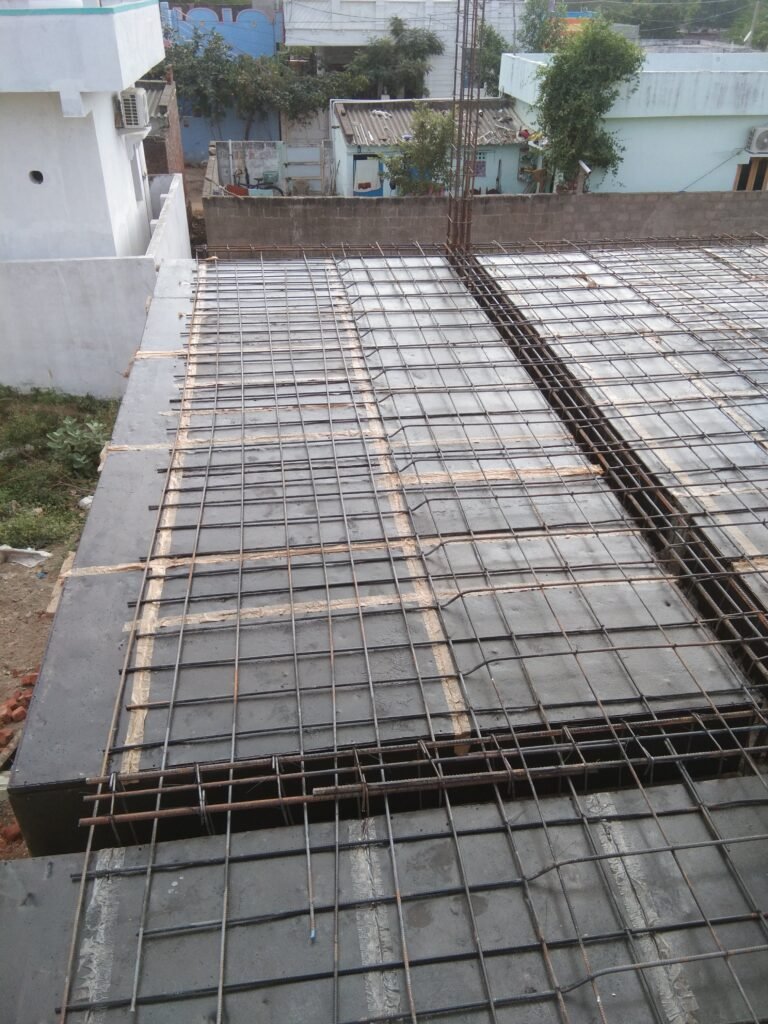
Importance of Bar Bending Schedule in Construction
BBS is very important in civil engineering because it helps engineers and contractors to manage steel reinforcement effectively. With the help of Bar Bending Schedule, the exact quantity of steel required for each structural member can be calculated.
Some major advantages of BBS include:
- Reduces steel wastage at site
- Saves construction cost
- Ensures accurate steel calculation
- Helps in proper planning and execution
- Improves quality of RCC construction
- Easy checking and billing of steel
In modern construction projects, Bar Bending Schedule is widely used by site engineers, structural engineers, and contractors to manage reinforcement steel effectively. It simplifies the process of ordering steel bars and ensures that the required quantity is available at the construction site when needed. Proper use of BBS also improves communication between engineers, contractors, and workers, which helps maintain quality and accuracy during reinforcement placement.
BBS also helps in ordering the correct quantity of reinforcement steel, which avoids shortage or excess material at the construction site.
Bar Bending Schedule in RCC Work
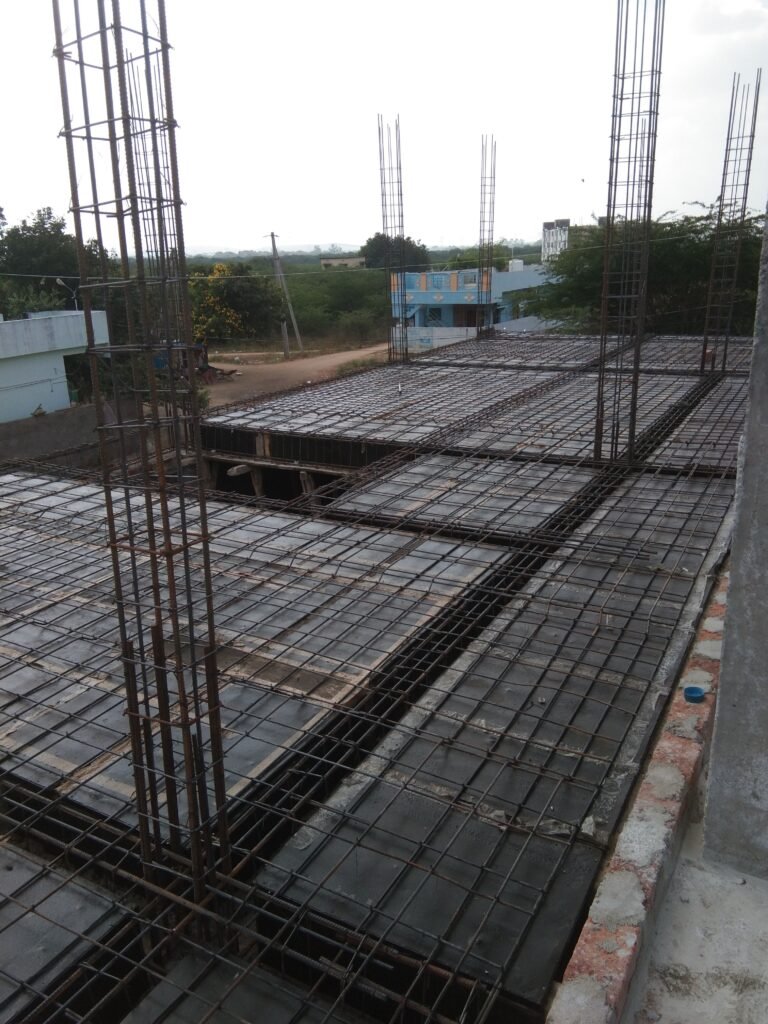
BBS is mainly used in RCC works such as footing, column, beam, and slab. Each RCC member requires different reinforcement details, and BBS helps to calculate steel for each element separately.
For example, in slab construction, main bars and distribution bars are used. Using BBS , engineers can calculate cutting length, number of bars, and total steel weight required for slab reinforcement. Similarly, Bar Bending Schedule is prepared for beams, columns, and footings to ensure accurate steel estimation.
👉 Read also: Steel Weight Calculation Formula in Civil Engineering
Reinforcement detailing and bar bending practices in India are generally based on the guidelines provided by the Bureau of Indian Standards (BIS) under IS 2502 and IS 456 codes for reinforced concrete construction.
Components of a Bar Bending Schedule (BBS)
A Bar Bending Schedule consists of several important components that help engineers understand the reinforcement details clearly. Each component provides specific information about the steel bars used in construction.
1. Bar Mark
Bar mark is a unique identification number assigned to each reinforcement bar. It helps engineers and workers identify the location and type of reinforcement in structural elements such as beams, slabs, columns, and footings.
2. Bar Diameter
Bar diameter indicates the thickness of reinforcement bars used in construction. Common diameters used in RCC work include 8 mm, 10 mm, 12 mm, 16 mm, 20 mm, and 25 mm bars.
3. Shape of Bar
Reinforcement bars are bent into different shapes depending on the structural requirements. These shapes are designed according to structural drawings and standard bending codes.
4. Length of Bar
The total length of each reinforcement bar is calculated based on structural drawings and bending allowances. Accurate length calculation is important to avoid steel wastage.
5. Number of Bars
This indicates the quantity of reinforcement bars required for a particular structural member.
6. Total Weight of Steel
The total weight of reinforcement steel is calculated using the steel weight formula. This helps engineers estimate the total steel quantity required for the project.
A properly prepared Bar Bending Schedule contains all these details, making it easier for engineers and contractors to manage reinforcement work efficiently.
How to Prepare Bar Bending Schedule
Preparation of BBS requires proper understanding of structural drawings and reinforcement details. Follow these basic steps to prepare BBS :
- Study structural drawing carefully
- Identify bar diameter and spacing
- Calculate cutting length of each bar
- Calculate number of bars required
- Find total length of reinforcement
- Convert total length into weight of steel
Preparation of BBS requires careful study of structural drawings and reinforcement detailing. Engineers must check bar spacing, cover requirements, and bending shapes according to design standards. Each bar is measured and recorded with its length, number of bars, and total weight. Nowadays many engineers use software tools or Excel sheets to prepare Bar Bending Schedule quickly and accurately. However, understanding the manual calculation process is still important for civil engineering students and site engineers.
BBS is usually prepared in Excel format for easy calculation and site use. Many engineers use software tools to prepare BBS quickly and accurately.
Common Mistakes in Bar Bending Schedule Preparation
While preparing a Bar Bending Schedule, engineers must be very careful because small mistakes can lead to material wastage and construction delays. One common mistake is incorrect measurement of bar lengths from structural drawings. If the bar length is calculated incorrectly, it may result in shortage or excess reinforcement steel at the construction site.
Another mistake is ignoring bending allowances while calculating the total length of reinforcement bars. When bars are bent into different shapes such as hooks, stirrups, or crank bars, additional length is required. If bending allowance is not included, the calculated steel quantity will be inaccurate.
Improper identification of bar diameters is another issue that can affect reinforcement work. Engineers must ensure that the correct bar diameter is used according to the structural design. Using the wrong diameter may affect the strength and safety of the structure.
Additionally, poor documentation of bar marks and quantities can create confusion during construction. A clear and properly organized Bar Bending Schedule helps workers understand reinforcement details easily and ensures accurate placement of steel bars in RCC structures.
Uses of Bar Bending Schedule in Estimation
BBS is very useful in estimation and costing of construction projects. With proper BBS , engineers can calculate total steel quantity required for the entire building. This helps in preparing accurate construction cost estimation.
BBS also helps in preparing material purchase orders and tracking steel consumption during construction. It ensures transparency in billing and reduces chances of material theft or misuse at the construction site.
Advantages of Using Bar Bending Schedule
Bar Bending Schedule provides several advantages in construction projects. It helps engineers plan reinforcement work efficiently and manage construction materials properly.
One of the main advantages of BBS is reduction of steel wastage. Since the exact quantity and length of reinforcement bars are calculated in advance, unnecessary cutting and waste of steel can be avoided.
Another important benefit is accurate cost estimation. With the help of Bar Bending Schedule, engineers can calculate the total quantity of reinforcement steel required for the project. This helps in preparing accurate construction budgets and controlling project expenses.
Bar Bending Schedule also helps in better project planning and scheduling. Engineers can plan reinforcement work in advance and ensure that materials are available at the construction site on time.
BBS also improves quality control in RCC construction. Since reinforcement details are clearly documented, engineers can easily check whether reinforcement is placed correctly according to structural drawings.
In addition, Bar Bending Schedule helps in easy checking and billing of reinforcement steel. Contractors and project managers can verify the quantity of steel used in construction and prepare accurate billing reports.
Because of these advantages, Bar Bending Schedule is considered an essential tool in modern civil engineering construction projects.
Frequently Asked Questions (FAQs)
1. What is the purpose of Bar Bending Schedule?
Bar Bending Schedule is used to calculate the exact quantity of reinforcement steel required for construction work.
2. Why is BBS important in RCC construction?
BBS helps reduce steel wastage, improves material management, and ensures accurate reinforcement placement.
3. Who prepares the Bar Bending Schedule?
Usually structural engineers or site engineers prepare the Bar Bending Schedule using structural drawings.
4. Can BBS be prepared using software?
Yes, many engineers use Excel sheets or construction software to prepare Bar Bending Schedule efficiently.
👉 Also read: Types of Foundation in Construction – Complete Guide
Conclusion
BBS is an essential part of civil engineering and building construction. Every civil engineer and construction professional should have knowledge of Bar Bending Schedule for accurate steel calculation and cost estimation. Proper Bar Bending Schedule helps in reducing material wastage, saving cost, and improving construction quality.
Understanding BBS is very important for civil engineering students, site engineers, and contractors. It ensures strong, safe, and economical construction for all types of building projects. By using BBS correctly, construction work can be completed efficiently with proper planning and management. Thank You for reading .

Shakeel T is a civil engineering enthusiast and founder of CivilGuide.in. He specializes in construction estimation, quantity surveying, and practical civil engineering calculations. Through CivilGuide, he shares real-world construction knowledge, calculators, and step-by-step guides to help students and site engineers improve their technical skills.