Standard Data Book for Roads and Buildings
The Standard Data Book for Roads and Buildings is an important reference for civil engineers, contractors, estimators, and students. It provides standard material consumption, labour requirements, and item-wise data used in preparing detailed estimates for various construction works. This data book is widely used in government and private construction projects for accurate cost estimation.
On this page, you can find useful standard data related to building works, road works, and other civil engineering items. It helps in preparing estimates quickly and correctly based on standard guidelines.
Importance of Standard Data Book
The standard data book contains approved material quantities and labour constants required for different construction activities. Engineers use this data to prepare detailed estimates, rate analysis, and bill of quantities (BOQ). It ensures uniformity and accuracy in estimation work.
Benefits of using standard data book:
Accurate quantity calculation
Standard labour and material consumption
Easy preparation of estimates
Useful for government and private projects
Helpful for students and site engineers
Standard Data for Building Works
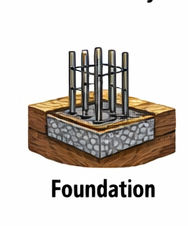
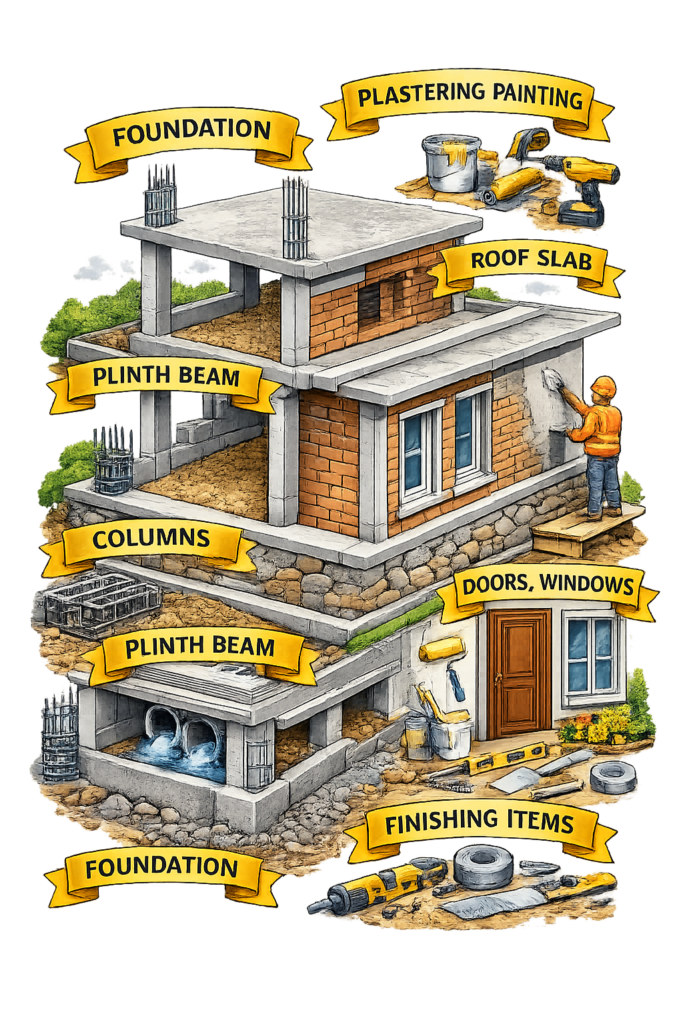
Building works include excavation, foundation, concrete, brick masonry, plastering, flooring, and finishing works. The standard data book provides item-wise material consumption such as cement, sand, steel, aggregate, and labour requirement for each activity.
It is useful for:
House construction estimates
Apartment and commercial building estimation
Checking contractor bills
Preparing rate analysis
Standard Data for Road Works
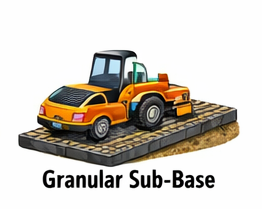
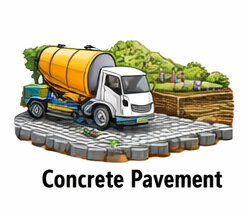
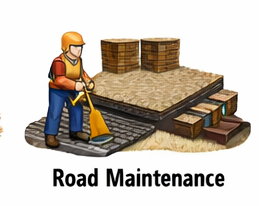
Road construction requires proper estimation of earthwork, subgrade, GSB, WMM, bitumen layers, and concrete works. The standard data book for roads provides standard quantities and labour data for each layer of road construction.
Engineers use this data for:
Road work estimation
Tender preparation
Material planning
Project cost control
Use for Civil Engineers and Students
The standard data book is a must-have reference for civil engineering students and site engineers. It helps in learning estimation, rate analysis, and quantity calculation in practical way. Many competitive exams and interviews also include questions based on standard data and estimation methods.
Disclaimer
All information provided here is for reference and educational purpose only. Standard data may vary slightly depending on department specifications and latest revisions. Always verify with official department data books and current SSR before finalizing estimates.
Stay connected with our website for more civil engineering estimation data, rate analysis, and useful construction resources.