
Standard Comparitive Data Book for Civil Engineers
Data for Roads and Bridges



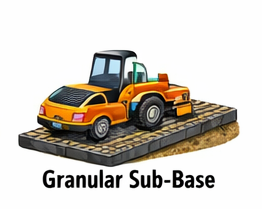




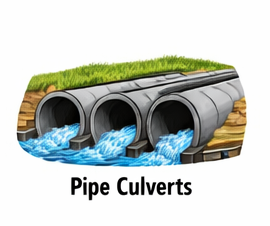


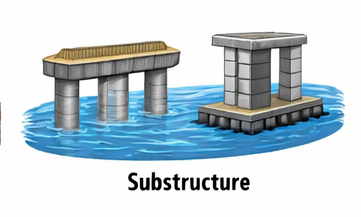


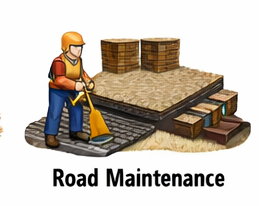


Data for Buildings items
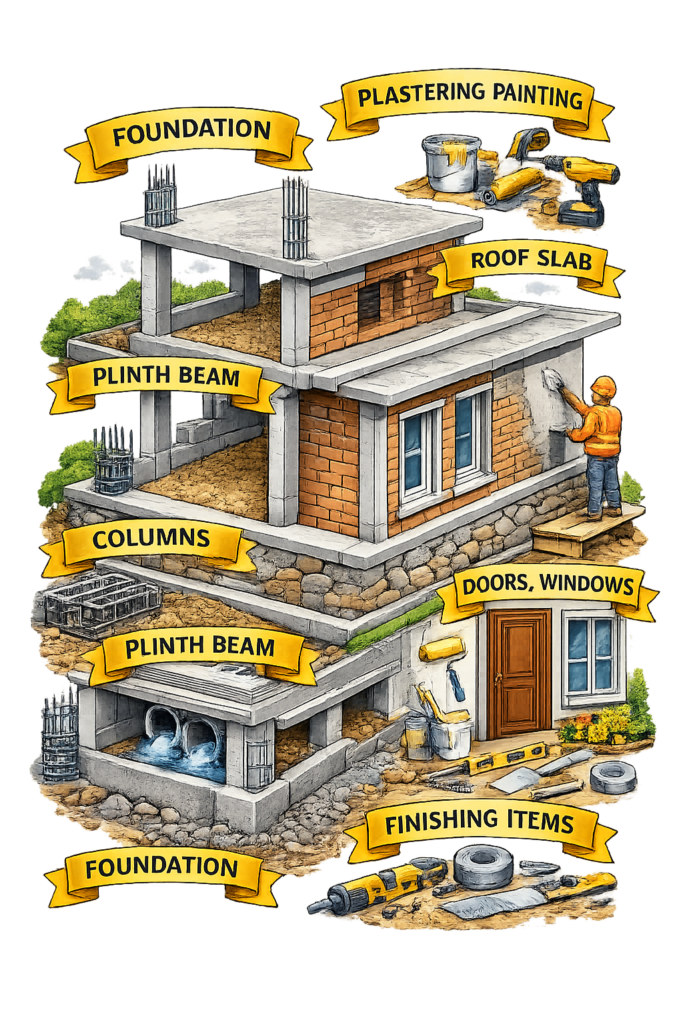

Standard Comparative Data Book for Civil Engineers
A Standard Data Book Civil Engineering is an essential reference guide used by civil engineers, estimators, contractors, and students for preparing estimates, analyzing rates, and planning construction projects. It contains standard construction data, material consumption rates, labor requirements, and technical information that help engineers perform calculations accurately and efficiently.
In civil engineering projects, having access to reliable standard data is crucial for cost estimation, quantity surveying, project planning, and tender preparation. A standard comparative data book serves as a valuable resource that simplifies these tasks and ensures consistency in engineering calculations.
What Is a Standard Data Book?
A standard data book is a compilation of approved engineering data used for estimating and executing civil works. It provides standard values for various construction activities based on accepted engineering practices and government specifications.
The book typically includes information related to:
- Material consumption rates.
- Labor requirements.
- Equipment usage.
- Unit weights of construction materials.
- Standard dimensions and specifications.
- Rate analysis references.
- Construction productivity norms.
Engineers use these values as a foundation for preparing project estimates and calculating resource requirements.
Before preparing project budgets and rate analyses, it is important to understand standard estimation methods. Check our Model Estimates for Civil Engineering page for practical examples and cost estimation references used in construction projects.
Importance of Standard Data Books in Civil Engineering
The use of a Standard Data Book Civil Engineering offers several advantages:
Accurate Estimation
Standard data helps engineers prepare realistic project estimates by using established material and labor consumption rates.
Time Savings
Instead of calculating every parameter from scratch, engineers can refer to standard values and complete estimations more quickly.
Consistency in Calculations
Using standard data ensures uniformity in quantity calculations, rate analysis, and project documentation.
Better Project Planning
Reliable construction data helps project managers allocate resources effectively and improve overall project efficiency.
Applications of Standard Data Books
Standard data books are widely used in various civil engineering activities, including:
Building Construction
Estimating quantities of cement, steel, bricks, sand, aggregates, and labor requirements for residential and commercial projects.
Road Construction
Calculating material requirements for earthwork, sub-base, base courses, bituminous works, and pavement construction.
Water Supply Projects
Preparing estimates for pipelines, storage tanks, pumping stations, and distribution systems.
Government Tender Works
Many government departments use standard data books as reference documents while preparing schedules of quantities and tender estimates.
Information Commonly Found in Data Books
A typical standard data book contains:
- Material consumption coefficients.
- Labor output standards.
- Unit conversion tables.
- Standard mix proportions.
- Construction specifications.
- Rate analysis examples.
- Quantity calculation guidelines.
These references assist engineers in making informed technical and financial decisions during project planning.
Benefits for Students and Professionals
Civil engineering students can use standard data books to understand practical estimation procedures and construction practices. For professionals, these books serve as daily reference tools for project estimation, cost control, and tender preparation.
As construction projects become more complex, access to reliable engineering data becomes increasingly important for achieving accurate results and maintaining project profitability.
BIS develops Indian standards for construction materials, structural design, and engineering practices that support accurate estimation and quality control in civil works.
Conclusion
A Standard Data Book Civil Engineering is a valuable resource for civil engineers, contractors, estimators, and students. It provides standardized information that improves estimation accuracy, enhances project planning, and supports efficient construction management. Whether working on buildings, roads, water supply systems, or infrastructure projects, a standard data book remains an indispensable tool in the civil engineering profession.
Disclaimer
The information provided in this article is for educational and informational purposes only. Standard data values, material consumption rates, labor outputs, and construction specifications may vary depending on project location, government regulations, departmental standards, site conditions, and the latest revisions of engineering codes.
Users should consult the latest official Standard Data Books, Schedule of Rates (SOR), CPWD specifications, BIS standards, and qualified civil engineering professionals before preparing estimates, tenders, or construction budgets. Civilguide.in does not guarantee the accuracy, completeness, or applicability of the information for any specific project and shall not be responsible for any losses or discrepancies resulting from its use.