
Model Estimates
Model Road Estimates for Civil Works




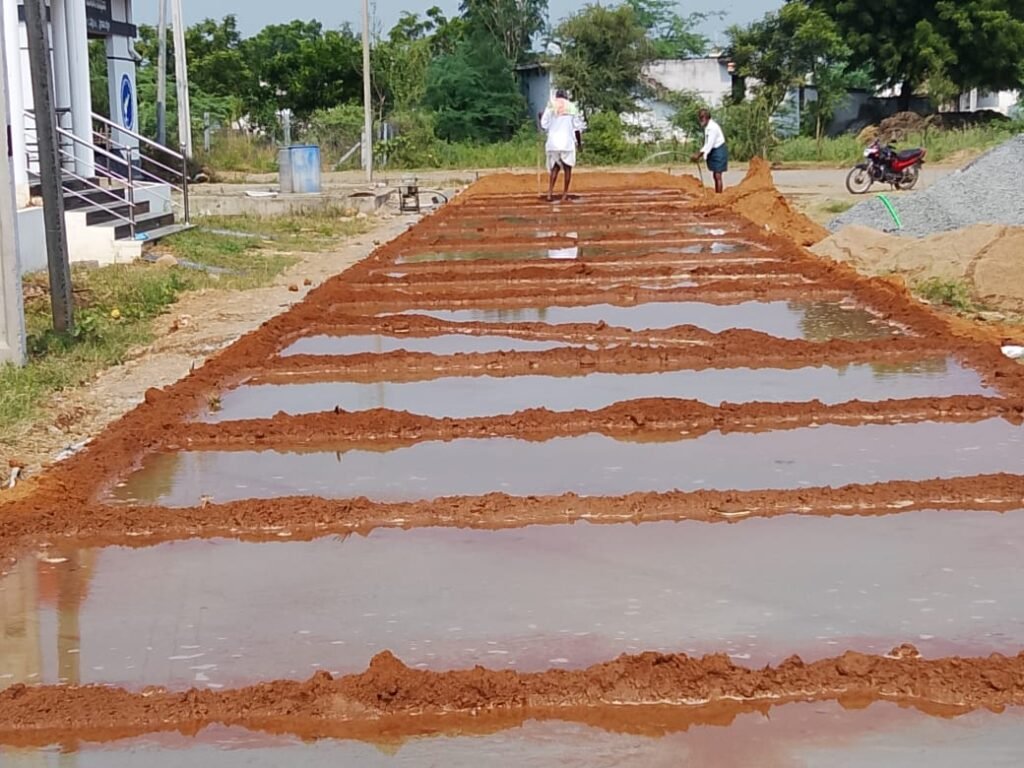
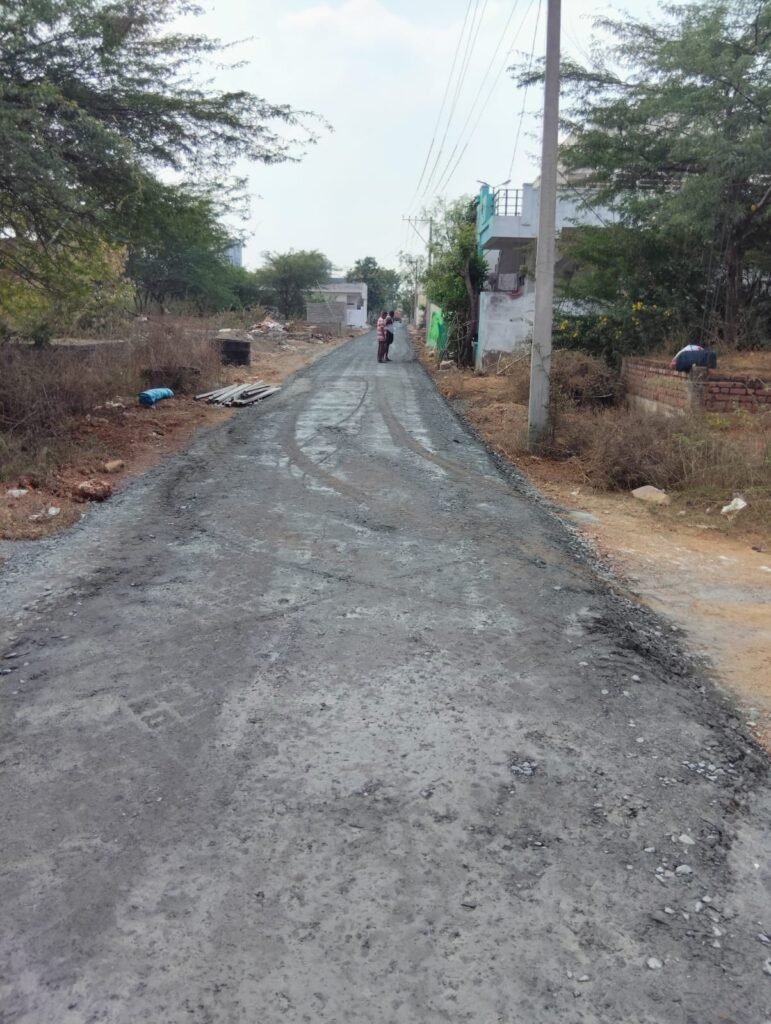
Model Building estimates for Civil works






Model Bridges for Civil works


Model Estimates for Civil Works
Accurate cost estimation is one of the most important aspects of any construction project. Model Estimates for Civil Engineering provide a standard reference for calculating the approximate quantities and costs of materials, labor, equipment, and other resources required for civil works. These estimates help engineers, contractors, students, and property owners understand project expenses before actual construction begins.
What Are Model Estimates?
A model estimate is a detailed calculation prepared for a specific type of construction work based on standard dimensions, specifications, and rates. It serves as a guide for determining the expected cost of a project and helps in planning budgets effectively.
Model estimates are commonly used for residential buildings, roads, drainage systems, water supply works, compound walls, culverts, and other civil engineering projects. They provide a practical framework that can be modified according to site conditions and project requirements.
Importance of Model Estimates in Civil Engineering
Using Model Estimates for Civil Engineering offers several advantages:
Budget Planning
Model estimates help project owners and engineers estimate the total construction cost before work begins. This allows better financial planning and resource allocation.
Quantity Calculation
Engineers can determine the required quantities of cement, steel, sand, aggregates, bricks, and other materials based on standard calculations.
Tender Preparation
Government departments and private organizations often use model estimates as a reference while preparing tender documents and project proposals.
Cost Control
A well-prepared estimate helps monitor project expenses and reduces the risk of unexpected cost overruns during construction.
Bitumen and emulsion are essential materials used in road construction, maintenance, and pavement works. Check our latest BT and Emulsion Rates page to stay updated on current market prices and prepare accurate project estimates.
Components of a Model Estimate
A typical civil engineering model estimate includes:
- Project description.
- Quantity calculations.
- Material requirements.
- Labor requirements.
- Unit rates.
- Total project cost.
- Contingency provisions.
- Contractor overheads and profit.
Each component contributes to the overall accuracy of the estimate and helps stakeholders understand the financial scope of the project.
Applications of Model Estimates
Model estimates are widely used in various civil engineering works, including:
Residential Building Construction
House construction estimates include excavation, foundation, masonry, RCC works, plastering, flooring, painting, and finishing works.
Road Construction
Road project estimates cover earthwork, subgrade preparation, granular layers, bituminous works, and drainage provisions.
Water Supply and Sanitation Projects
Estimates are prepared for pipelines, storage tanks, septic tanks, drainage systems, and related infrastructure.
Public Infrastructure Projects
Government agencies use model estimates for schools, hospitals, office buildings, community halls, and other public works.
Tips for Preparing Accurate Estimates
To improve estimation accuracy:
- Use current material and labor rates.
- Verify site conditions before calculations.
- Follow standard specifications and codes.
- Include contingency provisions.
- Review calculations carefully.
- Consult experienced engineers when necessary.
Accurate estimates contribute to better project management and successful construction outcomes.
BIS develops Indian standards for construction materials, structural design, and engineering practices that support accurate estimation and quality control in civil works.
Conclusion
Model Estimates for Civil Engineering play a vital role in project planning, budgeting, and cost control. They provide a systematic method for calculating construction expenses and material requirements before work begins. Whether you are constructing a house, road, or public infrastructure project, a well-prepared model estimate helps ensure efficient resource utilization and better financial management.
Disclaimer
The information provided in this article is for educational and informational purposes only. Model estimates presented for civil engineering works are approximate references based on standard assumptions, specifications, and prevailing construction practices. Actual project costs may vary depending on location, site conditions, material prices, labor rates, design requirements, government regulations, and market fluctuations.
Users should consult qualified civil engineers, estimators, architects, or project management professionals before making financial or construction-related decisions. Civilguide.in does not guarantee the accuracy or suitability of any estimate for specific projects and shall not be responsible for any losses, delays, or cost variations arising from the use of the information provided in this article.