
Introduction
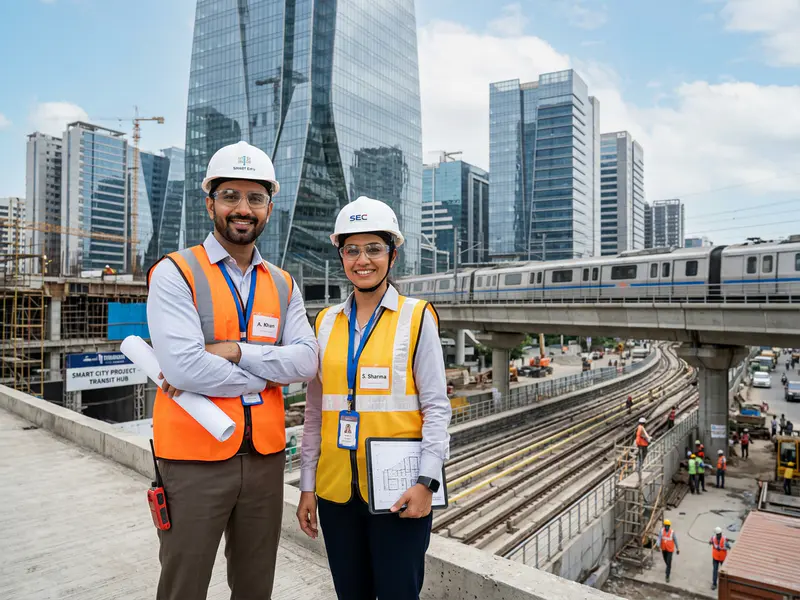
The infrastructure landscape in India is undergoing a massive transformation. If you step outside your house today, you will likely see a massive flyover being built, a new metro line expanding, a high-rise residential tower touching the skyline, or a major highway network cutting through the landscape. India is investing trillions of rupees into mega infrastructure projects like the PM Gati Shakti National Master Plan, smart city developments, and expansive expressways.
For young graduates and experienced professionals, this boom means one thing: the demand for skilled civil engineers is at an all-time high. However, the days when a civil engineering degree simply meant standing on a dusty site with a clipboard are long gone. The industry in 2026 has evolved into a highly specialized, tech-driven sector. Today, employers look for experts who can handle building information modeling (BIM), artificial intelligence in structural design, green building sustainability, and massive corporate project budgets.
Whether you are a fresh college graduate looking for your first breakthrough or a mid-level engineer planning your next big career pivot, navigating the job market can feel confusing. Which roles pay the highest? Which jobs offer the best long-term security? This definitive, real-world guide breaks down the Top 10 Civil Engineering Jobs in India, combining on-site realities, clear salary expectations, and practical career roadmaps.
Structural Engineer
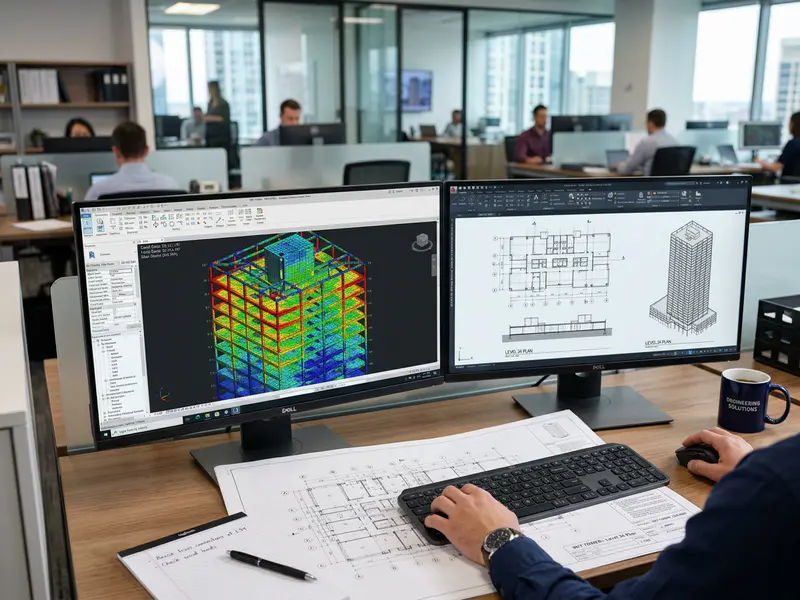
Structural engineers are the ultimate brains behind the safety of any building. Their main responsibility is to design the invisible structural skeleton—the beams, columns, and foundations—to ensure that the building can withstand its own weight, heavy wind pressures, and seismic earthquake forces.
+-------------------------------------------------------+

|              STRUCTURAL ENGINEER WORKFLOW             |
+-------------------------------------------------------+

|  Soil Report Analysis -> STAAD.Pro/ETABS Modeling    |
|                        |                              |
|                        v                              |
|  Drafting Blueprints -> Pre-Pour Rebar Inspection    |
+-------------------------------------------------------+
- Core Responsibilities: Analyzing soil reports, using advanced design software like STAAD.Pro or ETABS, creating detailed reinforcement blueprints, and performing critical physical safety sign-offs on-site before major concrete pours.
- Essential Skills Needed: Proficiency in structural design software, strong mathematical aptitude, and deep knowledge of Indian Standard (IS) Codes like IS 456 and IS 1893.
- Average Salary Expectations (2026): Freshers start around INR 4.5 to 6 Lakhs per annum (LPA). Highly experienced structural consultants with 8+ years of experience easily command INR 12 to 20+ LPA.
- My Field Experience & Advice: Structural design is a high-responsibility job. If a wall cracks or a beam sags, the structural engineer is legally held accountable. If you love deep calculations, analytical problem-solving, and prefer a professional office environment with occasional site safety audits, this is your ideal path.
Project Management Consultant (PMC) / Project Manager
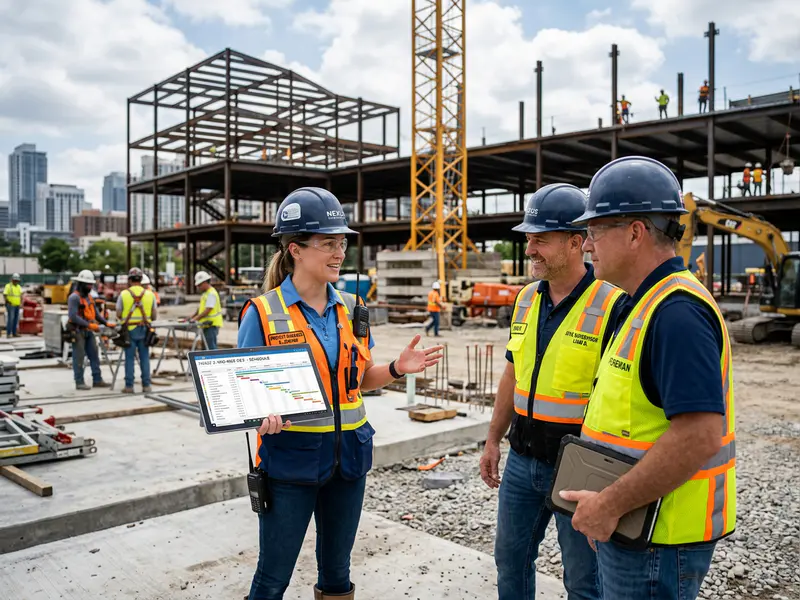
A project manager is the conductor of the construction orchestra. They keep a bird’s-eye view on the entire lifecycle of the building, ensuring the project is completed on time, stays strictly within the allocated budget, and meets specified quality standards
- Core Responsibilities: Planning day-to-day site timelines, coordinating between architects, contractors, and clients, managing labor schedules, and handling material procurement logistics.
- Essential Skills Needed: Exceptional leadership and communication, mastery of scheduling tools like Primavera P6 or Microsoft Project, and risk management capabilities.
- Average Salary Expectations (2026): Mid-level project managers earn INR 8 to 14 LPA, while senior construction project managers handling multi-crore infrastructure projects earn INR 18 to 30+ LPA.
- My Field Experience & Advice: This is not an easy 9-to-5 desk job. You will be dealing with aggressive material vendors, uncooperative labor unions, and demanding clients all in the same afternoon. If you have thick skin, outstanding problem-solving skills, and love managing large teams, project management offers some of the highest salaries in the country.
Understanding project budgets and the Construction Cost per Sq Ft in India is important for site engineers during building construction.
Quantity Surveyor & Cost Estimator
Before a single brick is purchased, a quantity surveyor determines exactly how much the entire project will cost. They act as the financial gatekeepers of the construction site.
- Core Responsibilities: Preparing a detailed Bill of Quantities (BOQ), measuring materials directly from architectural drawings, negotiating rates with subcontractors, and auditing bills to prevent financial fraud on-site.
- Essential Skills Needed: Flawless estimation skills, expertise in MS Excel and automated costing software, and deep knowledge of market rates for cement, steel, and labor.
- Average Salary Expectations (2026): Freshers start at INR 3.5 to 5 LPA. Senior quantity surveyors with a track record of cost savings can earn INR 10 to 15+ LPA.
- My Field Experience & Advice: A single decimal error by a cost estimator can cause a company to lose millions of rupees on a contract bid. If you have an eye for microscopic detail, enjoy data analytics, and want a stable corporate role within major real estate firms, this is an excellent choice.
Geotechnical Engineer
Every structure relies completely on the ground beneath it. Geotechnical engineers specialize in studying the behavior of soil, rocks, and underground water tables to design safe foundations.
- Core Responsibilities: Supervising deep borehole drilling on plots, conducting laboratory soil tests, determining the Safe Bearing Capacity (SBC) of the earth, and recommending whether a site needs shallow isolated footings or deep pile foundations.
- Essential Skills Needed: Mastery of soil mechanics, core logging analysis, and familiarity with foundation design software.
- Average Salary Expectations (2026): Starts around INR 4 to 6.5 LPA. Specialists handling complex tunnel projects, marine ports, or metro networks earn INR 12 to 18+ LPA.
- Why they are vital in 2026: With land becoming scarce, India is building on tricky terrains like soft marshy lands, coastal mudflats, and steep mountain slopes. Geotechnical experts are essential to ensure these challenging projects do not collapse or sink.
BIM (Building Information Modeling) Specialist
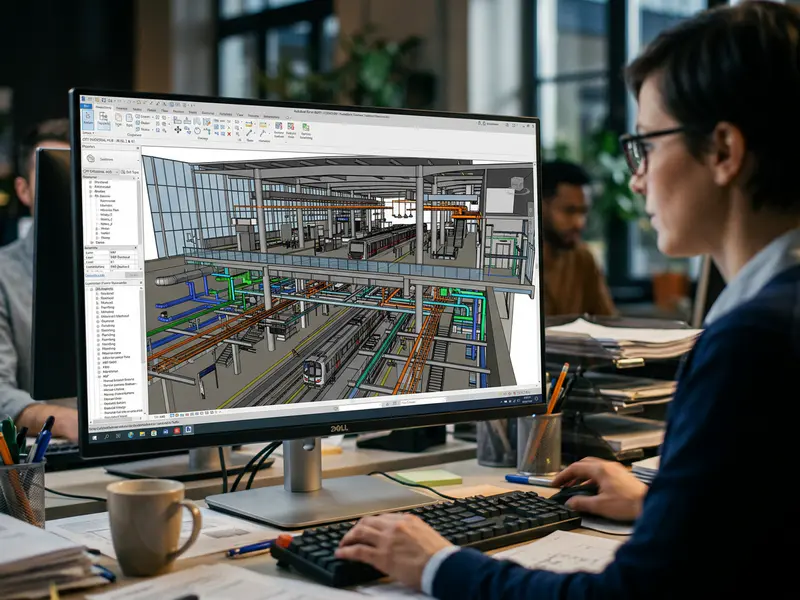
BIM has completely revolutionized the civil engineering space. Gone are the days of flat 2D paper blueprints. A BIM specialist builds a highly detailed 3D digital twin of a building before a single shovel touches physical soil.
+-----------------------------------------------------------+

|                      THE BIM ADVANTAGE                    |
+-----------------------------------------------------------+

|  Combines: Architecture + Structure + MEP into 3D Model   |
|                                                           |
|  Result: Detects pipe and beam clashes digitally,         |
|          saving millions in physical rework costs.         |
+-----------------------------------------------------------+
- Core Responsibilities: Creating integrated 3D architectural, structural, and plumbing models, running digital conflict tests to see if pipes clash with beams, and managing construction data streams.
- Essential Skills Needed: Advanced mastery of software like Autodesk Revit, Navisworks, Tekla Structures, and general VDC (Virtual Design and Construction) frameworks.
- Average Salary Expectations (2026): Junior BIM modelers earn INR 4 to 6 LPA. Experienced BIM Managers who run international design delivery centers in India earn INR 14 to 22+ LPA.
- My Field Experience & Advice: This is one of the fastest-growing tech jobs within civil engineering. If you love software, prefer a modern corporate IT park office, and want to work on international projects from foreign clients right here in India, upskilling in BIM is your golden ticket.
Site Engineer / Construction Supervisor
The site engineer is the ultimate ground warrior of the construction industry. They are physically present on the floor, converting paper designs into actual concrete and brick realities every single day.
- Core Responsibilities: Setting layout markings on the ground, supervising daily labor crews, checking material quality deliveries, and executing crucial checks like the quality inspection of rebar diameter and spacing before authorizing the concrete pour.
- Essential Skills Needed: Practical drawing readability, basic survey equipment handling (Total Station), labor management, and high physical endurance.
- Average Salary Expectations (2026): Freshers usually start lower, around INR 2.5 to 4 LPA. However, moving up to a Senior Site Charge or Executive Engineer brings salaries to INR 7 to 12 LPA.
- My Field Experience & Advice: This job is highly demanding. You will work long hours under the hot summer sun, handle unexpected material shortages, and deal with immediate site crises. However, the ground experience you gain here is invaluable. Every top-tier construction executive started their career as a raw site engineer. It builds your character, confidence, and core engineering instincts.
Highway & Transportation Engineer
With India building tens of kilometers of national expressways every single day, transportation engineering has become a highly lucrative, government-backed career path.
- Core Responsibilities: Geometric design of multi-lane highways, analyzing traffic density patterns, designing flexible and rigid pavements, and supervising massive asphalt or concrete road paving machinery on national corridors.
- Essential Skills Needed: Mastery of design software like AutoCAD, Civil 3D, or OpenRoads, deep knowledge of Indian Roads Congress (IRC) specifications.
- Average Salary Expectations (2026): Entry-level positions pay INR 4.5 to 7 LPA. Senior highway design consultants working on major highway networks earn INR 15 to 25+ LPA.
Water Resources & Environmental Engineer
As climate change accelerates and smart cities expand, managing water resources, sewage networks, and environmental impacts has become a top priority for public and private sectors alike.
- Core Responsibilities: Designing municipal water supply pipelines, planning efficient stormwater drainage networks to prevent city flooding, supervising sewage treatment plants (STPs), and conducting environmental impact assessments (EIA).
- Essential Skills Needed: Hydrological modeling, proficiency in software like EPANET or GIS, and deep knowledge of environmental safety regulations.
- Average Salary Expectations (2026): Ranges from INR 4 to 9 LPA for mid-level roles. Top-tier environmental consultants handling green industrial zone certifications earn INR 15+ LPA.
QA/QC (Quality Assurance / Quality Control) Engineer
A QA/QC engineer is the uncompromising guardian of engineering standards on a construction site. They ensure that the concrete poured and the steel tied exactly match the safety code criteria.
- Core Responsibilities: Conducting regular on-site material tests (like concrete slump tests and cube compressive strength tests), verifying manufacturer test certificates, and setting up strict quality control protocols for the entire project.
- Essential Skills Needed: Comprehensive knowledge of destructive and non-destructive material testing, analytical auditing skills, and deep familiarity with quality control manual guidelines.
- Average Salary Expectations (2026): Ranges from INR 4 to 8 LPA for mid-level professionals, scaling up to INR 14+ LPA for Chief Quality Heads.
- My Field Experience & Advice: As a QA/QC manager, you have the absolute authority to stop a concrete pour if the materials fail your tests. If you are highly disciplined, deeply principled, and have an eye for spotting minor technical errors, this is an excellent, highly respected career track.
Government Civil Engineer (IES / UPSC / State PSC / PSU)

For decades, landing a government engineering post has been the ultimate career dream for millions of Indian civil engineering students. It remains incredibly popular in 2026.
+-------------------------------------------------------------+

|                 GOVERNMENT CIVIL ENGINEER PATHWAYS          |
+-------------------------------------------------------------+

|  -- UPSC Engineering Services Examination (ESE/IES)         |
|  -- State Public Service Commissions (AE/EE posts)           |
|  -- Public Sector Undertakings via GATE (NTPC, NHAI, NBCC)  |
+-------------------------------------------------------------+
- Core Responsibilities: Designing public infrastructure, approving large-scale government tenders, overseeing regional developmental works, and running state departments like the PWD, NHAI, or Indian Railways.
- How to get in: Clearing highly competitive national exams like the UPSC Engineering Services Examination (ESE), state-level PSC exams for Assistant Engineer (AE) roles, or securing a high GATE score to enter premium PSUs.
- Average Salary Expectations (2026): Standard Pay Matrix scales start around INR 7 to 10 LPA at the entry level, accompanied by premium government accommodations, health allowances, and unmatched job security.
Structural engineers also calculate reinforcement quantities, such as Steel Required for 1000 Sq Ft House during building design.
Skill Comparison for Top Career Tracks
To help you plan your career upskilling path, use this simple comparative overview matching key job profiles with their primary working environments and critical software tools.
| Job Profile | Primary Work Environment | Critical Software to Learn | Key Industry Sector |
|---|---|---|---|
| Structural Engineer | 80% Office / 20% Site | STAAD.Pro, ETABS, SAFE | High-Rise Real Estate & Industrial Plants |
| Project Manager | 50% Office / 50% Site | Primavera P6, MS Project | Commercial Contracting & Infra Firms |
| BIM Specialist | 100% Desk Office | Autodesk Revit, Navisworks | International Engineering MNCs |
| Site Engineer | 95% Active Construction Site | MS Excel, basic AutoCAD | Residential & Commercial Contractors |
| Geotechnical Expert | 40% Field Lab / 60% Office | GeoStudio, PLAXIS | Metro Tunnels, Mining & Foundations |
Real-World Strategic Tips to Boost Your Career in 2026
If you want to secure a high-paying job in today’s competitive market, simply holding a plain degree is no longer enough. You must stand out from the crowd using these practical strategies:
1. Master at Least One Specialized Software Package
The era of drawing lines manually on a drafting table is gone. If you want a clean office job, pick a path early: learn ETABS for structural engineering, Revit for a career in BIM, or Primavera P6 for construction project management. Certification in these tools immediately doubles your resume’s value.
2. Learn the Art of Reading Structural Drawings Flawlessly
Whether you are a site engineer, a quantity surveyor, or a quality controller, your single most important daily asset is a structural blueprint. You must be able to read section cuts, lap lengths, and rebar schedules instantly. Spend time during your college internships standing next to senior site masons, comparing physical steel meshes directly against the paper drawings they hold.
3. Build a Strong Professional Network on LinkedIn
Many premium, high-paying civil engineering roles at major firms like Larsen & Toubro (L&T), Tata Projects, Afcons, or Shapoorji Pallonji are filled directly through professional networks rather than standard public job boards. Connect with senior project managers, share your practical site internship learnings, post short insights about construction updates, and build your digital footprint.
Frequently Asked Questions (FAQs)
1. Is civil engineering still a good career choice in India for 2026?
Yes, absolutely. With India investing heavily in expanding high-speed rail corridors, metro systems, mega expressways, and urban smart cities, the country is going through an unprecedented infrastructure boom. The job market has moved toward highly specialized, tech-equipped engineers who understand automation, sustainable green materials, and digital project management software.
2. Which civil engineering job track offers the absolute highest salary in India?
At the entry level, tech-driven paths like BIM Specialists and Structural Design Engineers offer the highest starting salaries. For mid-to-senior professionals, Construction Project Managers and international Project Management Consultants (PMCs) command the highest compensation packages, often scaling well past INR 25 to 30+ LPA.
3. Can a fresher land a high-paying corporate civil engineering job without site experience?
It is possible if you specialize early in high-demand software spaces like Building Information Modeling (BIM) or advanced structural dynamic analysis. Many international engineering consultancy firms run offshore delivery offices in metro hubs like Bangalore, Hyderabad, Mumbai, and Delhi, recruiting freshers who possess strong Revit, Tekla, or ETABS skills.
4. What is the difference between a Site Engineer and a QA/QC Engineer?
A Site Engineer focuses primarily on daily operational execution—managing labor crews, arranging materials, and meeting speed targets to finish the structure on time. A QA/QC (Quality Assurance/Quality Control) Engineer acts as an independent auditor focused purely on quality standards, conducting concrete strength tests, and ensuring the work matches technical safety regulations exactly.
5. Are software skills more important than actual on-site field experience?
Both are equally valuable but serve different career paths. If you want a comfortable corporate office desk job focused on design, planning, or digital modeling, software mastery is non-negotiable. However, if you want a leadership career running physical project sites as a Project Director, nothing can replace the raw wisdom, labor management skills, and troubleshooting instincts gained through years of active field experience.
Construction projects in India generally follow guidelines mentioned in the National Building Code of India for safety and design standards.
Conclusion
The civil engineering job market in India in 2026 is full of incredible opportunities, but it demands continuous learning and specialization. The industry is rapidly moving away from generalized labor supervision and embracing technical expertise, data analytics, and digital execution systems.
Identify where your true passion lies early on—whether you love calculating structural loads in a design office, building 3D digital twins in a BIM studio, or managing massive operations out on an active construction site. Pair your core degree with a high-demand specialized skill set, stay committed to strict quality standards, and you can build an incredibly rewarding, recession-proof career in India’s booming infrastructure sector.

Shakeel T is a qualified Civil Engineer and Structural Consultant with extensive on-site experience in residential and commercial building construction. Specializing in material estimation, cost budgeting, and structural safety guidelines, he has successfully managed multiple real estate projects from foundation to finishing. Through this blog, Shakeel shares field-tested civil engineering thumb rules, IS Code practices, and practical site tips to help home builders execute their projects efficiently and within budget.
Education: Diploma in Civil Engineering
Expertise: Quantity Surveying, Material Estimation, Structural Design, and Site Management.
This is well written
Pingback: Site Engineer Career: Why This Job Runs Every Project - castallio.com
A useful and well-structured guide to civil engineering career opportunities in India. The comparison of roles such as structural engineering, project management, BIM, quantity surveying, and site engineering, along with the required skills and salary ranges, gives graduates a clearer idea of the different career paths availa