
Introduction
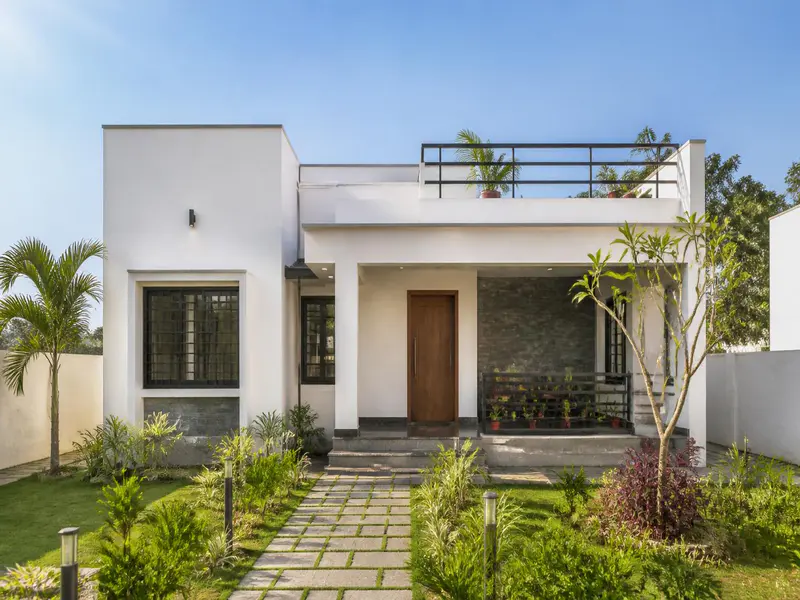
Building a house is one of the biggest financial investments for any family. However, with proper planning and smart decision-making, it is possible to reduce construction costs without compromising on safety and quality. These Low Budget House Construction Tips in India can help homeowners make informed choices and avoid unnecessary expenses during the building process.
Many self-builders believe that reducing construction costs means using inferior materials. This is a dangerous misconception. True cost optimization relies on smart engineering choices, efficient material procurement, precise quantity estimation, and minimizing on-site wastage.
This comprehensive guide delivers field-tested civil engineering strategies, real-world formulas, and practical tips to help you build a robust, high-quality house in India on a optimized budget.
Core Mathematical Formulas for Cost Control
Accurate estimation prevents material hoarding and shortfalls, both of which inflate your budget. Here are the foundational plain-text formulas used on-site to calculate material requirements.
Concrete Volume and Material Estimation
- Dry Volume of Concrete = Wet Volume x 1.54
- Sum of Mix Ratio for M20 (1:1.5:3) = 1 + 1.5 + 3 = 5.5
- Cement Volume = (1 / 5.5) x Dry Volume
- Number of Cement Bags = Cement Volume / 0.0347 (since 1 bag of cement is 0.035 cubic meters)
- Sand Volume = (1.5 / 5.5) x Dry Volume
- Aggregate Volume = (3 / 5.5) x Dry Volume
Brickwork Estimation (For standard 9-inch wall using modular bricks)
- Volume of 1 Brick with Mortar = Length x Width x Thickness = 0.20m x 0.10m x 0.10m = 0.002 cubic meters
- Number of Bricks in 1 Cubic Meter = 1 / 0.002 = 500 Bricks
- Dry Volume of Mortar = Wet Volume of Brickwork x 0.30
Essential Unit Conversions for Indian Markets
Indian local material markets operate on regional units rather than standard metric units. Buying sand in brass or steel in kilograms requires quick conversion skills to avoid overpaying.
| From (Standard Unit) | To (Market Unit) | Conversion Factor | Market Application |
|---|---|---|---|
| Cubic Meter (cum) | Cubic Feet (CFT) | Multiply by 35.314 | Sand, Aggregate, Earthwork |
| Cubic Feet (CFT) | Brass | Divide by 100 | Sand and Aggregate wholesale |
| Metric Ton (MT) | Kilograms (kg) | Multiply by 1000 | TMT Steel Bars |
| Metric Ton (MT) | Quintal | Multiply by 10 | Steel Reinforcement |
| Square Meter (sqm) | Square Feet (sqft) | Multiply by 10.764 | Plinth Area, Flooring, Painting |
Step-by-Step Quantity Estimation Examples
Let us look at two real-world construction scenarios with concrete numbers to understand how to apply these formulas on your site.
Example A: Concrete Slab Casting (1000 Square Feet)
Suppose you are casting a residential roof slab with an area of 1,000 square feet and a standard thickness of 5 inches (0.416 feet). We will use an M20 grade concrete mix (1 part cement : 1.5 parts sand : 3 parts aggregate).
Step 1: Calculate Wet Volume
- Wet Volume = Area x Thickness
- Wet Volume = 1000 sqft x 0.416 ft = 416 Cubic Feet (CFT)
- Convert to Cubic Meters = 416 / 35.314 = 11.78 cubic meters (cum)
Step 2: Calculate Dry Volume
- Dry Volume = 11.78 cum x 1.54 = 18.14 cum
Step 3: Calculate Cement Requirement
- Cement Volume = (1 / 5.5) x 18.14 = 3.30 cum
- Number of Cement Bags = 3.30 / 0.0347 = 95 Bags
Step 4: Calculate Sand Requirement
- Sand Volume = (1.5 / 5.5) x 18.14 = 4.95 cum
- Convert to CFT = 4.95 x 35.314 = 174.8 CFT (approx. 1.75 Brass)
Step 5: Calculate Aggregate Requirement
- Aggregate Volume = (3 / 5.5) x 18.14 = 9.90 cum
- Convert to CFT = 9.90 x 35.314 = 349.6 CFT (approx. 3.5 Brass)
Example B: Brickwork for a Partition Wall
Calculate the bricks and cement bags needed for a 9-inch thick brick wall that is 15 feet long and 10 feet high.
Step 1: Calculate Wall Volume
- Dimensions in feet: 15 ft x 10 ft x 0.75 ft (9 inches) = 112.5 CFT
- Convert to Cubic Meters = 112.5 / 35.314 = 3.18 cum
Step 2: Calculate Number of Bricks
- Total Bricks = 3.18 cum x 500 bricks/cum = 1,590 Bricks
Step 3: Calculate Mortar Material (1:6 Mix Ratio)
- Wet Mortar Volume = 3.18 cum x 0.30 = 0.954 cum
- Dry Mortar Volume = 0.954 x 1.33 = 1.27 cum
- Cement Volume = (1 / 7) x 1.27 = 0.181 cum
- Cement Bags = 0.181 / 0.0347 = 5.2 Bags (Say 6 bags)
Pre-Construction Budget Strategies
The foundation of a low-budget house is laid long before the first excavator arrives on site.
Plot Selection and Orientation
- Avoid Low-Lying Plots: Land selling below market rate because it sits lower than the road level will drain your budget later. You will spend heavily on extra brickwork and soil filling to raise the plinth level.
- Soil Load-Bearing Capacity: Test the soil before buying. Black cotton soil or loose filled-up soil requires expensive deep pile foundations. Hard murrum or rocky soil supports standard, economical isolated footings.
Architectural Planning Optimization
- Stick to Rectangular Footprints: Simple square or rectangular house layouts minimize the perimeter wall length. Irregular shapes with multiple corners increase the requirement for columns, beams, shuttering labor, and brickwork.
- Load-Bearing vs. Framed Structure: For a single-floor (Ground Only) or G+1 house, evaluate a load-bearing structure where walls carry the roof weight. It eliminates heavy RCC columns and beams, cutting structural costs by up to 20%. For G+2 or higher, a framed RCC structure is non-negotiable.
- Maximize Common Walls: If building in a high-density urban plot, share boundary or side walls where legally permitted to reduce material footprint.
Material Optimization & Procurement Secrets
Materials account for roughly 60% to 65% of the total construction cost in India. Smart sourcing provides direct savings.
Local Sourcing Strategy
- Transporting materials over long distances adds heavy freight charges. Source your bricks, sand, coarse aggregates, and masonry cement from local kilns and quarries within a 20-kilometer radius.
Material Selection Adjustments
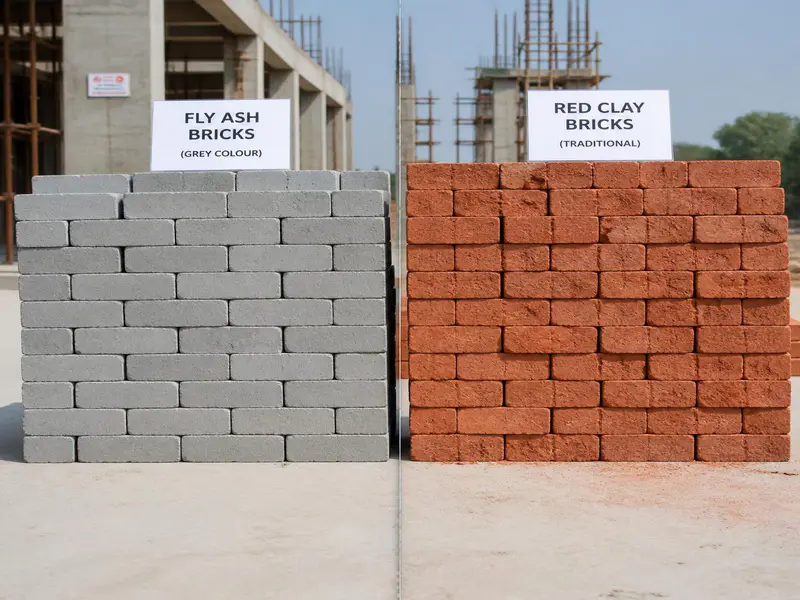
- Fly Ash Bricks vs. Red Clay Bricks: Fly ash bricks are manufactured from industrial waste, making them cheaper than topsoil red clay bricks. They are uniform in shape, which saves up to 15% mortar during plastering.
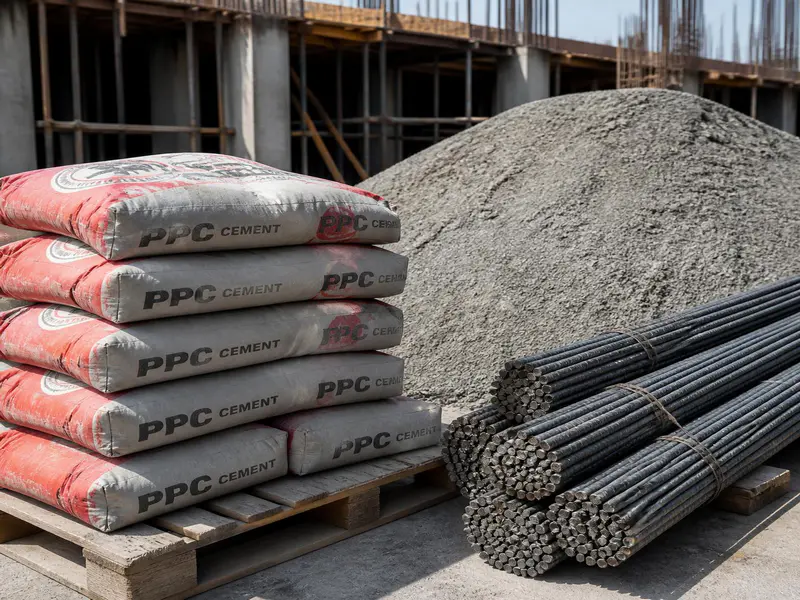
- PPC vs. OPC Cement: Use Portland Pozzolana Cement (PPC) for brickwork, plastering, and flooring. It is less expensive than Ordinary Portland Cement (OPC) and offers better resistance to chemical attacks. Reserve OPC 53 Grade strictly for structural RCC components like footings, columns, and slabs.
- Pre-cast Components: Use pre-cast concrete door frames (chaukhats), lintels, and boundary wall panels. They eliminate on-site shuttering labor and cost significantly less than traditional teak wood frames.
Strategic Purchasing
- Direct Wholesale Buying: Avoid retail hardware stores. Establish direct contact with wholesale distributors for cement and structural TMT steel. Order in bulk batches (e.g., truckloads of 100 or 200 bags of cement) to secure trade discounts.
Site-Level Execution and Wastage Control
Even with a great plan, poor on-site management can bleed your budget through material damage and rework.
Structural Value Engineering
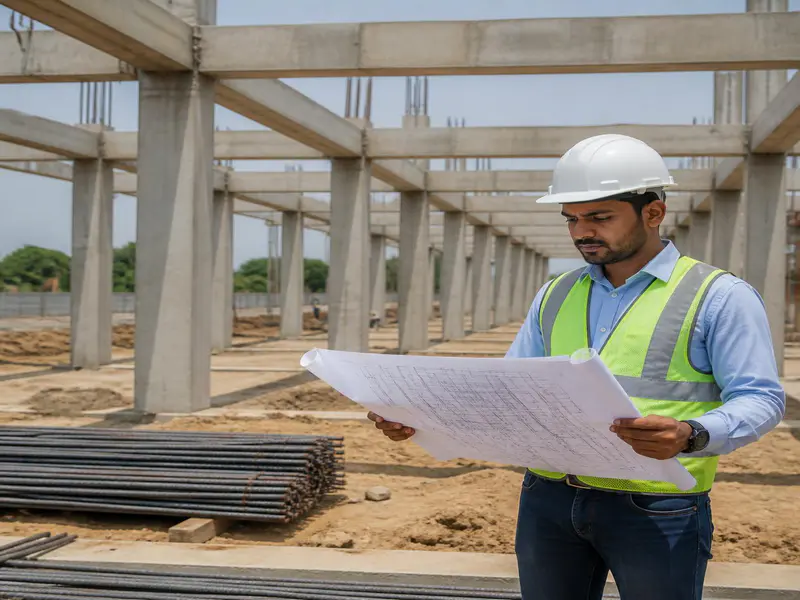
- Optimize Column and Beam Layouts: Ensure your architect aligns columns grid-by-grid. Misaligned grids create eccentric loading, forcing engineers to design thicker beams and heavy reinforcement steel steel setups.
- Standardize Structural Spans: Keep the distance between columns under 4.5 meters where possible. Longer spans require deeper beams and heavy steel diameters, escalating costs exponentially.
Labor Management and Contracting Models
- Item-Rate Contract vs. Lum-Sum Contract: For tight budgets, an item-rate contract based on actual verified measurements on-site is highly efficient. Ensure you cross-verify the Work Breakdown Structure (WBS) weekly.
- Avoid Repeated Modifications: Changes made after casting components cause severe losses. Ensure your 2D floor plans and 3D elevations are finalized before ground-breaking.
Strict On-Site Material Preservation
- Cement Storage: Stack cement bags on a raised wooden platform at least 6 inches off the ground and 12 inches away from walls. Cover them with tarpaulin sheets to prevent moisture absorption and lump formation.
- Steel Rust Prevention: Store TMT steel bars on wooden blocks. Do not let them sit in direct contact with wet soil, which initiates rusting and reduces concrete bonding strength.
- Wastage Limits Table: Monitor your mason’s daily material handling against standard permissible wastage benchmarks.
| Material | Acceptable Wastage Limit | Common Cause of Excess Wastage | Prevention Method |
|---|---|---|---|
| Cement | 1.0% to 1.5% | Torn bags, poor storage moisture | Use pallets, protect from rain |
| TMT Steel | 2.0% to 3.0% | Inefficient bar bending schedule | Prepare a structural BBS beforehand |
| Bricks | 3.0% to 5.0% | Rough unloading, poor handling | Stack systematically upon delivery |
| Sand | 4.0% to 5.0% | Wind blowing, rain washing away | Store in fenced bays, cover with sheets |
Before starting construction, it is also important to estimate the construction cost per square foot in India.
Cost-Effective Finishing Strategies
Finishing is where most home builders overshoot their budgets because of aesthetic temptations. Opt for minimalist, functional choices.
Flooring Alternatives
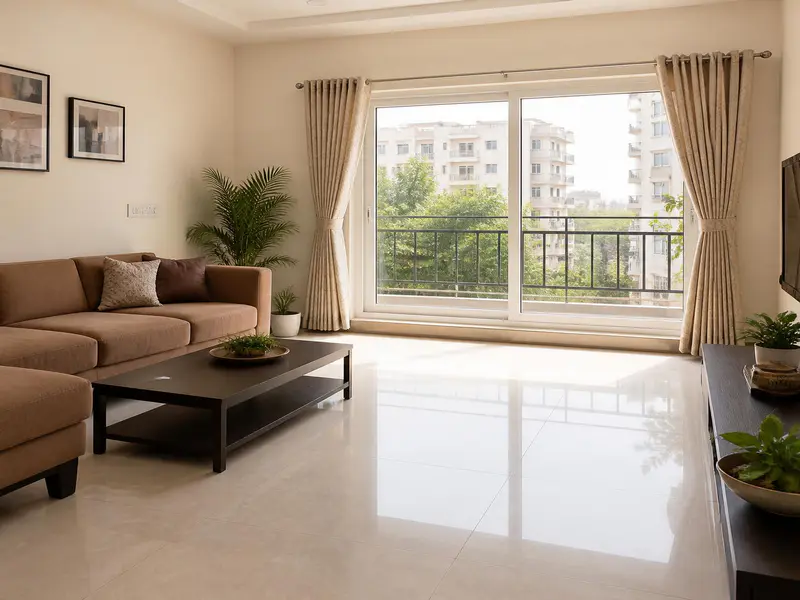
- Vitfied Tiles over Marble/Granite: High-quality double-charged vitrified tiles cost a fraction of Italian marble or premium granite. They are faster to lay, reducing labor days, and do not require expensive diamond polishing on site.
Walls and Openings
- Single-Coat Internal Plastering: If using high-quality fly ash bricks or AAC blocks with uniform surfaces, replace traditional double-coat plastering with a single coat of gypsum plaster. This provides a smooth finish directly, eliminating the need for a wall putty base before painting.
- uPVC Windows: Switch out traditional wood or aluminum window frames for uPVC window profiles. They offer superior thermal and sound insulation, require zero maintenance, and cost far less than premium hardwood window setups.
Painting and Plumbing
- Water-Based Primers and Distempers: For initial years, use good quality acrylic distemper or economical exterior emulsions. You can upgrade to high-end luxury plastic paints later when your finances stabilize.
- Concealed Loop Plumbing: Design a centralized plumbing layout where toilets, kitchens, and utility areas share common pipe shafts. This significantly reduces the total running foot length of internal CPVC/PVC pipes.
You can also calculate the required materials using our Concrete Calculator.
Site Quality Controls and Engineering Precautions
Cutting costs must never compromise structural durability. Enforce these fundamental checks during construction.
On-Site Quality Tests
- Silt Content Test for Sand: Field sand must not contain more than 8% silt by volume. Pour sand into a graduated measuring cylinder filled with water, shake vigorously, and let it settle for 3 hours. A thick layer of silt settling on top indicates poor sand quality that will crack your plaster.
- Slump Cone Test: Check concrete workability during slab and column casting. A concrete mix that is too watery reduces final compressive strength, while dry concrete creates honeycombing (air pockets) inside structural elements.
- Compressive Testing: Cast concrete cubes (150mm x 150mm x 150mm) during major structural pours. Get them tested at a local third-party lab after 7 days and 28 days of curing to confirm they achieve the designated target strength (e.g., 20 N/mm2 for M20 concrete).
Critical Engineering Precautions
- Curing Discipline: Ensure systematic water curing for at least 7 to 10 days for all concrete and masonry works. Inadequate curing reduces structural strength by up to 30%, leading to costly structural repair works down the road.
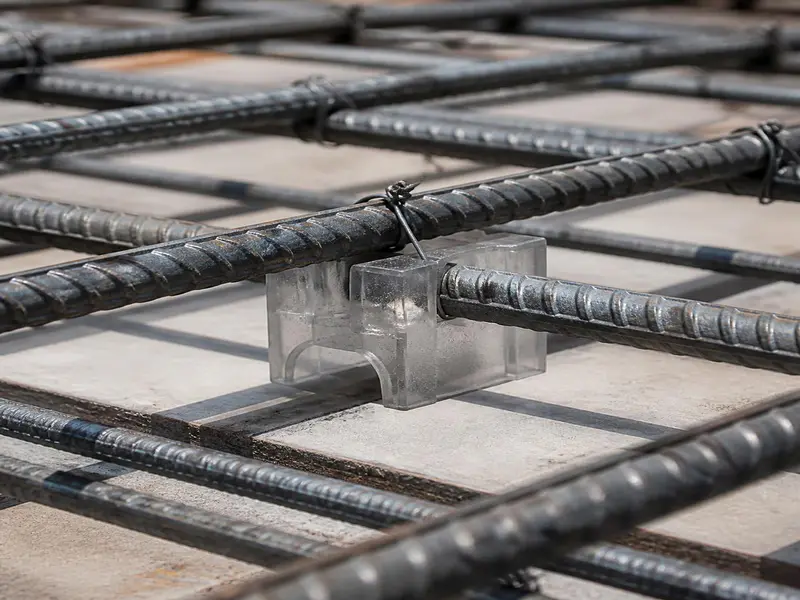
- Cover Block Usage: Always place concrete or PVC cover blocks (20mm for slabs, 40mm for columns, and 50mm for footings) beneath reinforcement bars. This prevents steel from getting exposed to atmospheric moisture, which causes internal rusting and concrete spalling.
Frequently Asked Questions (FAQs)
Q1. Can I reduce the number of columns in my house layout to save money?
No. The number and size of columns depend entirely on structural load design. Reducing columns arbitrarily creates unsafe structural spans, leading to roof sagging or sudden structural failure. Always rely on a structural engineer’s design.
Q2. Is M-Sand (Manufactured Sand) safe to use instead of River Sand?
Yes, M-Sand is completely safe and highly recommended for budget construction. It is free from silt, clay, and organic impurities commonly found in river sand. It is also roughly 30% cheaper and offers better compressive strength in concrete.
Q3. How much can I save by choosing a load-bearing structure over an RCC frame?
For a single-floor house, a load-bearing structure can save around 15% to 20% of your structural shell budget. This saving comes from eliminating heavy steel reinforcement, plywood shuttering layouts, and concrete column footings.
Q4. What is the most cost-effective thickness for external and internal walls in India?
Use 9-inch thick walls for all external perimeters to ensure weather protection, thermal insulation, and moisture resistance. For internal room partitions, use 4.5-inch thick walls to save both brick material costs and valuable indoor carpet area.
Q5. Can I skip the Plinth Beam to reduce initial ground-level costs?
Never skip the plinth beam. The plinth beam binds all columns together, prevents differential settlement of foundation soil, and acts as a damp-proof barrier preventing groundwater from rising up into your living area walls.
For official housing schemes and support programs, you can also check the Ministry of Housing and Urban Affairs website.
Conclusion
Low-budget house construction in India is an exercise in meticulous planning, efficient material management, and strict engineering supervision. By replacing expensive traditional materials with modern alternatives like fly ash bricks and M-sand, standardizing structural dimensions, and checking on-site wastage, you can lower construction costs by up to 25% without sacrificing safety. Partner with an experienced structural specialist, plan your cash flow systematically, and prioritize structural integrity over high-end decorative finishes.

Shakeel T is a qualified Civil Engineer and Structural Consultant with extensive on-site experience in residential and commercial building construction. Specializing in material estimation, cost budgeting, and structural safety guidelines, he has successfully managed multiple real estate projects from foundation to finishing. Through this blog, Shakeel shares field-tested civil engineering thumb rules, IS Code practices, and practical site tips to help home builders execute their projects efficiently and within budget.
Education: Diploma in Civil Engineering
Expertise: Quantity Surveying, Material Estimation, Structural Design, and Site Management.